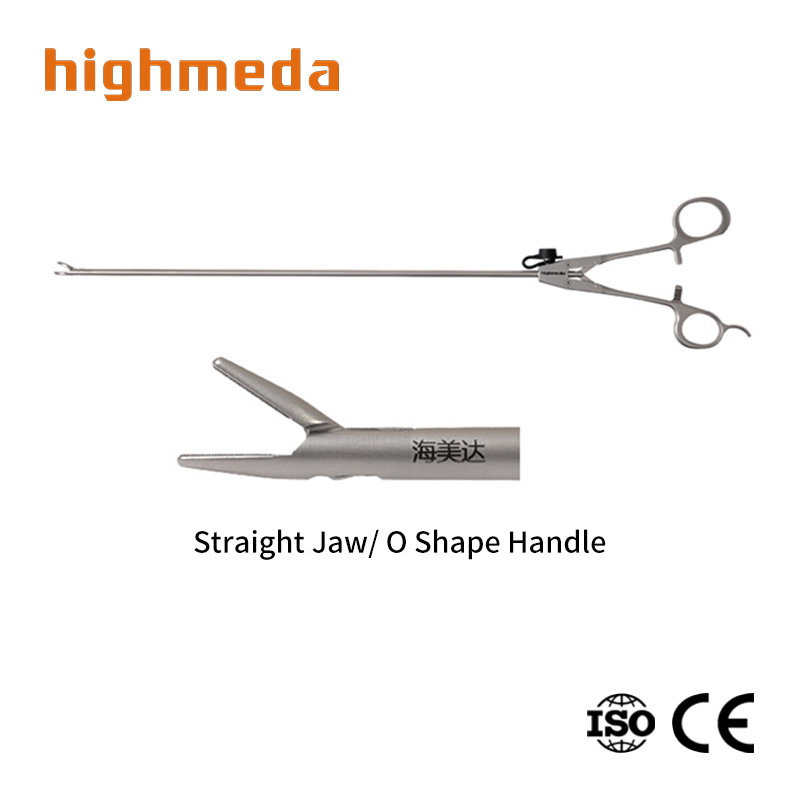
Laparoscopic suturing remains one of the most technically demanding skills in minimally invasive surgery. Surgeons require immense precision to maneuver tiny needles through delicate tissues. Operating in restricted anatomical spaces demands flawless instrument control. Subpar needle holders frequently lead to unexpected needle slippage. They also cause excessive surgeon fatigue and significantly increase operative time. Compromised knot security poses severe risks to patient recovery and overall surgical success.
Our objective is to provide a strict, evidence-based evaluation framework. Procurement teams, hospital administrators, and lead surgeons will learn how to select optimal instruments. You will discover how to properly evaluate instrument ergonomics, mechanical durability, and sterilization resilience. We will explore various handle designs, jaw materials, and structural specifications in detail. This comprehensive guide will help you optimize your surgical instrument inventory.
Key Takeaways
Handle design (axial vs. pistol-grip) dictates rotational freedom and should match the specific procedure's suturing demands.
Tungsten Carbide (TC) jaw inserts are critical for preventing needle rotation and maximizing instrument lifespan.
The choice between reusable and disposable models must be calculated using a TCO model that factors in sterilization degradation and per-procedure costs.
Vetting a Laparoscopic Needle Holders manufacturer requires analyzing their compliance certifications, warranty on jaw replacements, and supply chain reliability.
The Clinical Impact of Instrument Selection
Defining purchase success requires looking beyond standard procurement metrics. A successful acquisition directly improves daily clinical workflows. Success means reduced average suturing time across complex procedures. It involves lowering instrument replacement frequency and minimizing surgeon musculoskeletal strain. Evaluating different Laparoscopic Needle Holders ensures you align procurement with actual clinical needs. You must prioritize instruments matching your surgical team's exact technical demands.
The Cost of Poor Quality
Poor instrument quality triggers cascading negative effects in the operating room. Needle slippage frequently causes unnecessary tissue trauma. Unreliable ratchet mechanics force surgeons to regrip needles repeatedly. This repetitive action easily compromises delicate anastomoses. Prolonged suturing phases extend overall anesthesia times. Longer anesthesia exposure increases risks for vulnerable patient populations. You cannot afford instruments failing during critical reconstructive steps.
Stakeholder Alignment
Selecting surgical instruments requires careful stakeholder alignment. Lead surgeons prioritize advanced ergonomics and precise tactile feedback. They need tools feeling like natural extensions of their hands. Procurement teams prioritize different operational metrics. Hospital administrators focus on sterilization compatibility, inventory standardization, and overall lifespan. You must bridge this gap carefully. Forming a multidisciplinary committee helps balance clinical preferences against operational sustainability.
Handle Designs: Matching Ergonomics to Surgical Approach
Surgical ergonomics directly influence suturing efficiency and knot-tying precision. The handle design dictates how surgeons apply force and rotate the needle. You must match the handle type to the specific surgical application.
Axial (Inline/Cigar) Handles
Axial handles feature a straight, cylindrical profile. This mechanism allows fluid 360-degree rotation using delicate finger-tip control. Surgeons roll the instrument smoothly between their thumb and index finger. They avoid awkward wrist contortions during tight maneuvering. Axial designs excel in complex, continuous suturing tasks. They support procedures requiring maximum wrist articulation and needle dexterity.
Pistol-Grip Handles
Pistol-grip handles resemble traditional open-surgery instruments. The mechanism incorporates a strong palm-squeeze action. This design offers superior clamping force compared to axial models. Surgeons rely on pistol grips for heavy needle driving. They work exceptionally well when penetrating dense, fibrotic tissues. However, pistol grips limit ergonomic rotational freedom. Surgeons must rotate their entire forearm to drive the needle.
V-Shaped (Spring) Handles
V-shaped handles integrate a distinctive tension-spring mechanism. The design offers a lightweight, highly tactile response. Surgeons experience a rapid spring-action release upon unlatching. This rapid release speeds up continuous suturing rhythms. Implementing V-shaped handles requires some clinical adaptation. Surgeons accustomed to traditional ratchets need dry-lab practice to master the tension feedback.
Handle Design Comparison Chart
Handle Design
Primary Mechanism
Rotational Freedom
Ideal Clinical Application
Axial (Inline)
Fingertip roll
Excellent (360 degrees)
Delicate anastomoses, continuous suturing
Pistol-Grip
Palm squeeze
Limited
Dense tissue penetration, thick needles
V-Shaped (Spring)
Spring tension
Moderate
Rapid, repetitive knot tying
Core Evaluation Dimensions for Laparoscopic Needle Holders
Selecting high-quality Laparoscopic Needle Holders requires analyzing key structural dimensions. The physical profile directly dictates tissue interaction and needle stability. You must scrutinize the jaw materials, locking mechanisms, and shaft dimensions thoroughly.
Jaw Profile and Material
The jaw profile determines needle positioning capabilities. Straight jaws excel at general needle driving and standard knot tying. They provide excellent visibility along the instrument axis. Curved jaws help surgeons navigate exceptionally tight anatomical spaces. They allow operators to manipulate needles at complex angles behind delicate structures.
You must mandate Tungsten Carbide (TC) or diamond-dusted inserts. Standard stainless steel jaws degrade rapidly under heavy clamping forces. TC inserts provide exceptional wear resistance and secure gripping. You should evaluate the diamond-cut cross-serrations carefully. Inspect them for precise, sharp intersecting lines. Dull serrations inevitably cause rotational needle slippage.
Ratchet vs. Non-Ratchet Mechanisms
Ratchet mechanisms hold the needle autonomously. They effectively reduce finger fatigue during long reconstructive cases. Surgeons can pass the instrument without losing the needle position. However, ratchets require a specific learning curve. Releasing a stiff ratchet abruptly can jerk the needle and tear fragile tissue. Non-ratchet designs offer seamless driving and release. They provide uninterrupted tactile feedback. The tradeoff is the requirement for constant manual pressure to secure the needle.
Shaft Specifications
Shaft specifications define the instrument's access capabilities and structural rigidity. The standard diameter for modern minimally invasive surgery is 5mm. A 5mm shaft provides the necessary structural integrity for secure suturing without excessive bowing. Pediatric and micro-laparoscopy procedures utilize 3mm shafts. These thinner shafts minimize incision sizes but compromise clamping strength slightly.
Standard shaft length measures 33cm. This length accommodates the vast majority of general laparoscopic procedures. Bariatric surgeries demand extended access. You should specify 45cm shafts for bariatric applications. Extended lengths prevent handle-shaft impingement against the patient's abdominal wall.
Reusable vs. Disposable: Analyzing Sterilization Risks
Hospitals must decide between reusable and disposable instrument models. This decision impacts clinical workflows, environmental sustainability, and sterilization protocols. You must evaluate the operational risks associated with both pathways.
The Reusable Model
Reusable instruments represent a long-term clinical asset. They typically offer higher quality tactile feedback and superior weight balance. Surgeons generally prefer the solid construction of forged reusable handles. Reusable models lower long-term medical waste significantly. They also allow extensive customization regarding jaw angles and handle styles.
However, reusable models carry inherent operational risks. Insulation degrades over repeated autoclave cycles. Micro-cracks in the shaft coating can cause unintended thermal burns. Worn jaw inserts require meticulous inspection and periodic refurbishment. Facilities must track these maintenance cycles strictly to prevent intraoperative failures.
The Disposable Model
Disposable instruments function strictly as single-use operational supplies. They provide guaranteed sterility right out of the packaging. Facilities achieve zero cross-contamination risk using disposable models. Surgeons always receive brand-new, perfectly sharp jaws and crisp ratchet mechanisms. There is no performance degradation over time.
Disposable models introduce different logistical challenges. They require vast storage space in sterile supply rooms. Facilities face potential supply chain stockouts during manufacturing shortages. Disposables also generate massive amounts of environmental waste. Many modern hospitals struggle to align single-use plastics with strict environmental sustainability mandates.
Hybrid Solutions
Many facilities now evaluate hybrid instrument solutions. These systems combine reusable handles with disposable shaft-jaw cartridges. Surgeons retain the high-quality tactile feedback of a solid metal handle. The facility ensures sharp jaws and intact insulation via the disposable cartridge. Hybrid models offer an excellent balance between performance reliability and environmental responsibility.
How to Evaluate a Laparoscopic Needle Holders Manufacturer
Vetting a reliable Laparoscopic Needle Holders manufacturer prevents future supply chain disruptions. You must scrutinize potential vendors using rigorous, standardized criteria. A strong manufacturer acts as a long-term clinical partner.
Regulatory and Quality Compliance
You must verify all necessary regulatory certifications immediately. Demand current ISO 13485 certification documents. Confirm specific FDA clearances or valid CE markings for their instruments. You should never accept self-certified claims. Always request verifiable, third-party documentation. Strict regulatory compliance ensures consistent manufacturing tolerances and patient safety.
Refurbishment and Warranty Programs
A dependable manufacturer stands behind their instrument's longevity. They must offer clear, transparent warranty terms. Evaluate their policies regarding Tungsten Carbide jaw replacement. Ask for specific turnaround times for ratchet recalibration. Extended downtime for instrument repairs disrupts surgical scheduling severely. A strong warranty program indicates high-confidence manufacturing quality.
Clinical Trial and Sample Policies
Never commit to bulk procurement without comprehensive clinical trials. Demand extensive trial periods for your surgical team. Surgeons must test the weight balance firsthand. They need to evaluate ratchet release smoothness in simulated environments. We recommend testing samples in dry-lab settings extensively. This hands-on validation prevents costly purchasing mistakes.
Shortlisting Logic
Develop a clear logic matrix for final vendor selection. Base your final decisions on the following critical factors:
Instrument Durability Data: Request historical data on jaw wear and insulation resilience.
Post-Sale Support Responsiveness: Test their communication speed during the initial inquiry phase.
Supply Chain Reliability: Verify their ability to maintain consistent inventory levels.
Conclusion
Selecting the right laparoscopic needle holder requires systematic evaluation. There is no universally standard instrument for every surgeon or procedure. The ideal choice balances ergonomic fit, procedural access requirements, and strict facility sterilization protocols. You must understand the distinct advantages of axial versus pistol-grip designs. Recognizing the clinical importance of Tungsten Carbide jaws prevents frustrating intraoperative slippage.
Take proactive steps to optimize your surgical instrument fleet immediately:
Audit your current inventory specifically for excessive jaw wear and insulation damage.
Survey your lead surgeons regarding their handle design preferences and fatigue levels.
Initiate hands-on pilot testing using hybrid and reusable models in dry-lab environments.
Establish rigorous vendor vetting criteria focusing on regulatory compliance and post-sale support.
FAQ
Q: What is the standard shaft length for laparoscopic needle holders?
A: The baseline standard shaft length measures 33cm. This dimension perfectly accommodates routine general and gynecological minimally invasive surgeries. However, specialized procedures require longer instruments. Surgeons utilize 45cm shafts for bariatric surgery to navigate thicker abdominal walls and prevent handle impingement during deep suturing.
Q: How often should Tungsten Carbide (TC) jaws be replaced?
A: Replacement frequency depends entirely on usage volume and sterilization cycles. You should replace TC jaws when visual inspection reveals flattened diamond cross-hatching. Surgeons will also report noticeable rotational slip during needle driving. High-volume surgical centers typically refurbish or replace their inserts every 12 to 18 months.
Q: Do 5mm needle holders compromise grip strength compared to 10mm options?
A: No. Modern 5mm needle holders do not compromise grip strength. Advanced metallurgical forging and internal rod designs provide exceptional structural integrity. These advancements render bulky 10mm options largely obsolete for standard suturing. The 5mm profile offers ample clamping force while minimizing required trocar incision sizes.
Q: How do I test the ratchet mechanism before procurement?
A: You can perform a reliable dry-lab test easily. Lock a standard suture needle into the jaws using the middle ratchet setting. Apply moderate lateral and rotational pressure against a practice suture pad. The needle should not slip or twist. Finally, ensure the ratchet disengages smoothly without forceful jerking.