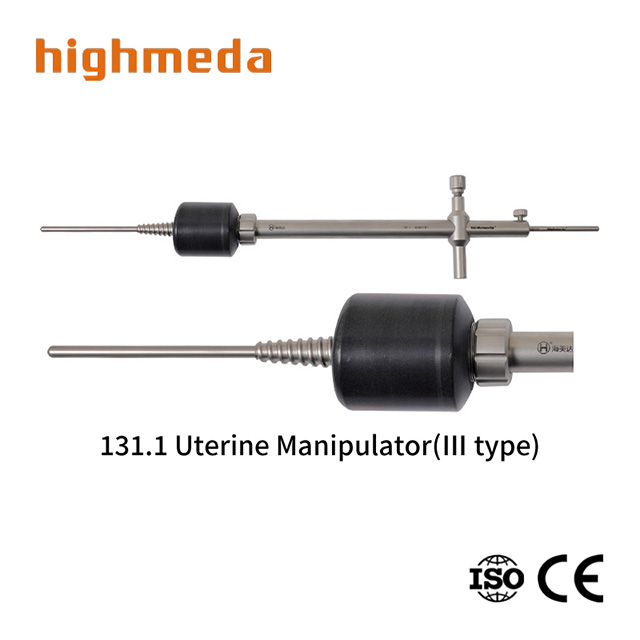
In the rapidly advancing field of minimally invasive gynecological surgery, achieving optimal pelvic exposure is not merely a preference—it is a fundamental prerequisite for procedural success. The female pelvic anatomy is notoriously complex. Navigating around critical structures such as the ureters, bladder, and major blood vessels requires absolute precision. A successful surgery often hinges on the right tools. Inadequate visualization inevitably leads to prolonged operative times, surgeon fatigue, and elevated risks of intraoperative complications.
With an overwhelming variety of laparoscopic gynecology instruments flooding the market today, surgeons and hospital procurement teams frequently struggle to strike the perfect balance. How do you weigh cost and safety against ergonomic comfort and clinical efficacy? Evaluating intricate technical specifications alongside strict budget constraints is no small feat.
This comprehensive guide introduces the laparoscopic uterine manipulator as the undisputed cornerstone of safe and efficient pelvic surgery. By providing dynamic mobilization of the uterus, this device acts as a critical extension of the surgeon's own hands. We will break down the essential features, patient safety protocols, and the ongoing debate between reusable and disposable options, equipping medical professionals with an evidence-based framework to make confident purchasing decisions.
Industry Trends: The Shift Toward Modular Precision
Before diving into specific technical parameters, it is crucial to understand the current trajectory of gynecological instrumentation. Recent clinical data and global procurement trends indicate a decisive shift away from rigid, one-size-fits-all surgical tools. Modern operating rooms are increasingly handling complex cases, including patients with higher BMIs and severe pelvic adhesions. Consequently, the industry is moving rapidly toward highly modular, customizable systems.
Surgeons now demand instruments that adapt to the patient, rather than forcing the patient's anatomy to conform to the tool. This evolution emphasizes interchangeable components, enhanced extra-corporeal ergonomics, and sustainable manufacturing practices. Hospitals are prioritizing devices that not only elevate surgical precision but also align with global environmental sustainability mandates by reducing medical waste. Selecting a manipulator today means investing in an adaptable platform designed for the future of minimally invasive care.
Understanding the Role of a Laparoscopic Uterine Manipulator
A uterine manipulator is an indispensable surgical instrument designed for insertion through the vagina and cervix directly into the uterine cavity. Once securely anchored, it empowers the surgical assistant to manipulate the uterus externally. This mechanical advantage facilitates unparalleled visualization of internal pelvic structures during complex laparoscopic procedures.
Enhancing Pelvic Anatomy Exposure
The core clinical value of this device lies in its capacity to dynamically alter the anatomical position of the uterus. By executing precise anteversion (tilting forward), retroversion (tilting backward), and lateral deviations, the manipulator actively exposes critical surgical landmarks. Specifically, robust anteversion is mandatory to reveal the posterior cul-de-sac and the uterosacral ligaments. Lateral movement is equally crucial for exposing the broad ligament.
In clinical practice, imagine trying to dissect the infundibulopelvic ligament in a patient with a BMI of 35 and dense pelvic adhesions. Without dynamic lateral deviation to place the tissue under proper tension, the ureter remains dangerously hidden beneath folds of peritoneum. This dynamic exposure allows the surgeon to safely isolate and ligate the uterine arteries, ensuring clear surgical margins even in the most challenging anatomical landscapes.
Preventing Surgical Complications
Beyond simply illuminating the surgical field, proper manipulation serves as a proactive risk mitigation strategy. By actively elevating and shifting the uterus, the manipulator physically displaces the ureters and the bladder away from the active dissection zone. This spatial separation drastically minimizes the risk of accidental thermal spread from electrosurgical energy devices or inadvertent mechanical trauma from sharp dissection. In high-stakes cases involving severe deep infiltrating endometriosis or massive fibroids, the ability to stretch and define tissue planes using the manipulator is vital for organ preservation.
Key Features to Look for in a Gynecological Laparoscopic Instrument
When evaluating instrumentation for hospital procurement, abstract marketing claims must be set aside in favor of rigorous technical scrutiny. The market offers a myriad of designs, yet clinical efficacy is ultimately determined by specific engineering features that directly impact intraoperative performance. Here is an actionable checklist for evaluating these devices.
Range of Motion and Articulation
Anatomical variability among patients necessitates an instrument capable of extensive, multi-directional movement. Premium manipulators feature advanced articulation joints, frequently providing up to 130 degrees of total motion—typically 90 degrees of anteversion and 40 degrees of retroversion. This expansive range is non-negotiable. A manipulator with restricted mobility will inevitably force the surgeon into awkward dissection angles, increasing the likelihood of physical fatigue and unnecessarily prolonging the operation.
Colpotomy Cups and Cervical Rings
For procedures requiring vaginal entry, the inclusion of colpotomy cups or cervical rings is an absolute necessity. These specific components serve a dual purpose. First, they act as a rigid physical delineator. By pushing the vaginal fornices upward and outward, the cup creates a distinct visual and tactile landmark, guiding the surgeon to make a safe circular incision while keeping the ureters safely lateral.
Furthermore, they must provide an airtight mechanical seal against the vaginal walls. Maintaining this seal prevents the rapid loss of pneumoperitoneum once the vaginal vault is opened. Procurement teams should prioritize systems offering interchangeable cup sizes—such as 30mm, 35mm, and 40mm options—to safely accommodate varying cervical dimensions.
Handle Ergonomics and Locking Mechanisms
While the primary surgeon performs the intra-abdominal dissection, the surgical assistant is tasked with operating the manipulator, often for hours at a time. Consequently, extra-corporeal handle ergonomics are paramount. The grip must be intuitive and comfortable. More importantly, robust locking levers on the handle ensure that once the optimal uterine position is achieved, it can be securely maintained without requiring continuous manual force from the assistant.
Reusable Uterine Manipulator vs. Disposable: Which is the Best Investment?
One of the most consequential decisions facing hospital procurement departments is whether to allocate budgets toward single-use disposable devices or invest in durable reusable systems. While disposables offer a certain level of out-of-the-box convenience, long-term clinical data and financial metrics overwhelmingly favor reusable architecture for high-volume surgical centers.
The Case for a Reusable Uterine Manipulator
A high-tier reusable uterine manipulator is meticulously constructed from medical-grade stainless steel (such as 304 or 316L) and advanced biocompatible polymers. This rugged construction ensures exceptional structural rigidity. It allows the instrument to manipulate heavily enlarged, myomatous uteri without bending, flexing, or failing—a notorious limitation of cheaper plastic disposable models. Investing in permanent capital equipment guarantees that the surgical team is equipped with precision-engineered tools that maintain their mechanical feedback and performance over thousands of clinical cases.
Core Comparison: Reusable vs. Disposable
Evaluation Metric
Reusable Uterine Manipulator
Disposable Uterine Manipulator
Material & Rigidity
Medical-grade 304/316L stainless steel; zero flex during heavy manipulation.
Primarily medical plastics; prone to bending or snapping under high stress.
Cost-Per-Use (ROI)
High initial capital, but cost drops drastically after ~30-50 uses. Excellent long-term ROI.
Low initial cost, but incurs continuous, compounding inventory expenses over time.
Generates significant plastic and packaging waste per procedure.
Customization
Highly modular; features interchangeable tips and varying cup sizes (30/35/40mm).
Often generic or one-size-fits-all; limited adaptability to unique anatomies.
Sterilization and Maintenance
A lingering reservation regarding reusable instruments is the perceived burden on the Sterile Processing Department (SPD). However, contemporary reusable manipulators are engineered specifically to streamline reprocessing. In a high-volume SPD, these modular tools can be dismantled into their core components in seconds, exposing all surfaces for thorough enzymatic cleaning. Following manual decontamination, they seamlessly endure standard high-temperature hospital autoclave cycles (e.g., 134°C for 18 minutes), ensuring absolute sterility without bottlenecking hospital workflows.
Matching the Instrument to the Specific Surgical Procedure
It is an engineering reality that not all manipulators are created equal. Efficacy depends entirely on matching the specific architectural design of the instrument to the intended surgical indication. Utilizing a generic tool for a highly specialized procedure artificially limits surgical access and introduces avoidable risks.
Total Laparoscopic Hysterectomy (TLH)
During a TLH, the complete detachment and extraction of the uterus demand flawless anatomical guidance. A specialized hysterectomy uterine manipulator is mandatory. When the surgeon reaches the critical phase of making the colpotomy, a prominent cup pressing firmly against the fornices provides a distinct tactile "pop" of the tissue, ensuring the energy device stays safely away from the ureter. In addition, these manipulators must integrate seamlessly with other capital equipment. Ensuring spatial coordination with an electric hysterectomy device can drastically streamline the tissue morcellation and extraction phase, cutting down overall operative time.
Endometriosis Resection and Myomectomy
In stark contrast, surgeries such as deep infiltrating endometriosis resection or myomectomy are strictly fertility-preserving. The overarching goal is to excise pathology while leaving the uterine tissue pristine and undamaged. For these delicate cases, the manipulator must feature an atraumatic intrauterine tip or an inflatable silicone balloon. Because aggressive manipulation is often required to access obliterated cul-de-sacs bound by dense endometriotic nodules, the instrument must deliver exceptional lateral and retroverted mobility without applying localized, puncturing pressure that could traumatize the myometrial wall.
Patient Safety Considerations and Risk Mitigation
Patient safety remains the uncompromising priority in any surgical discipline. The thoughtful selection of a manipulator plays a direct, measurable role in mitigating severe intraoperative catastrophes.
Preventing Uterine Perforation
Uterine perforation is a well-documented and feared complication during the insertion phase, occurring when the tip of the device forcefully breaches the uterine fundus. To neutralize this risk, procurement teams must select manipulators offering adjustable tip lengths. By sounding (measuring) the uterine cavity depth prior to insertion, the surgeon can select a corresponding tip length, preventing the instrument from being advanced too deeply. Atraumatic balloons or blunt distal designs further distribute pressure evenly across the fundus, virtually eliminating the risk of puncture during aggressive manipulation.
Maintaining Pneumoperitoneum
A stable, distended surgical environment relies entirely on maintaining pneumoperitoneum. If carbon dioxide gas escapes rapidly through the vagina during a colpotomy, the abdominal wall will instantly collapse. This sudden deflation obscures the surgeon's vision and brings bowel loops dangerously into the active surgical field. A meticulously designed cervical seal traps the gas inside. Ensuring the manipulator boasts a reliable pneumatic sealing mechanism is critical for keeping the surgical workspace stable throughout the most vulnerable phases of the operation.
Conclusion: Empowering Your Surgical Team
Choosing the right laparoscopic uterine manipulator is a foundational step toward improving surgical outcomes. It requires a delicate balance of patient safety protocols, ergonomic considerations, and long-term cost efficiency. As clinical data continues to demonstrate, premium reusable tools crafted from medical-grade stainless steel offer unparalleled value, durability, and environmental responsibility for modern operating rooms.
A high-quality manipulator is not just a rudimentary tool; it is a vital extension of the surgeon's hands that ensures precise dissection and successful patient recoveries. Prioritize manufacturing quality, rigorously evaluate your specific surgical needs, and elevate your hospital's standard of care.
Ready to upgrade your surgical toolkit? Explore high-performance, precision-engineered solutions tailored for complex gynecological procedures. Visit Highmeda Medical today to discover our comprehensive range of reusable laparoscopic instruments and specialized uterine manipulators designed to maximize OR efficiency and patient safety.
FAQ
What is the main difference between a standard and a hysterectomy uterine manipulator?
A standard manipulator primarily focuses on mobilizing the uterus to provide visual exposure for fertility-preserving surgeries, utilizing atraumatic tips to protect the tissue. In contrast, a hysterectomy-specific model incorporates specialized components, such as cervical cups or delineating rings. These attachments stretch and clearly outline the vaginal fornices, acting as a crucial physical guide for the surgeon to safely execute the colpotomy incision while actively protecting the ureters.
How do you properly clean and sterilize a reusable uterine manipulator?
Reusable manipulators must be processed in strict accordance with the manufacturer's validated instructions for use (IFU). Initially, they should be fully disassembled into their modular components. Next, they undergo thorough enzymatic cleaning and manual brushing to eradicate all organic tissue and bio-burden from crevices. Finally, the components are sterilized utilizing a standard high-temperature hospital autoclave process (typically 134°C for 18 minutes), guaranteeing they are completely sterile and safe for the subsequent patient.
Does the use of a uterine manipulator increase the risk of cancer cell spillage?
In surgical cases involving known or highly suspected uterine or cervical malignancies, standard manipulators pose a theoretical risk of tumor fragmentation and subsequent cancer cell spillage into the peritoneal cavity. For these specific oncological cases, surgeons typically utilize specialized enclosed manipulators, employ alternative atraumatic suspension techniques, or avoid vaginal manipulation altogether. It is imperative to always consult the most current oncological guidelines when selecting instrumentation for malignant cases.
Can one size of uterine manipulator fit all patients?
Absolutely not. Patient anatomy—specifically cervical diameter, vaginal capacity, and uterine cavity depth—varies wildly from person to person. The safest and most clinically effective laparoscopic gynecology instruments feature highly modular designs. They are equipped with interchangeable intrauterine tips and cervical cups of various standardized sizes (e.g., 30mm, 35mm, 40mm), allowing the surgical team to meticulously customize the device to securely accommodate each patient's unique anatomical structure.
How do you choose the right cervical cup size for a uterine manipulator?
Selecting the correct cervical cup size requires an intraoperative assessment of the patient's cervix. The surgeon visually inspects and often physically measures the cervical diameter using sizing templates or the cups themselves before insertion. The ideal cup should fit snugly around the cervix, pushing the fornices outward to create a clear surgical margin without causing ischemic damage or lacerations to the vaginal tissue. A cup that is too small will fail to protect the ureters, while one that is too large may cause vaginal trauma.
What are the contraindications for using a uterine manipulator?
Absolute contraindications generally include known or suspected cervical, endometrial, or uterine malignancies (unless using a specialized oncological containment system), as well as active pelvic infections, undiagnosed vaginal bleeding, and early pregnancy. Relative contraindications may involve severe cervical stenosis or significant anatomical distortions where forceful insertion could result in a high risk of uterine perforation or cervical laceration.