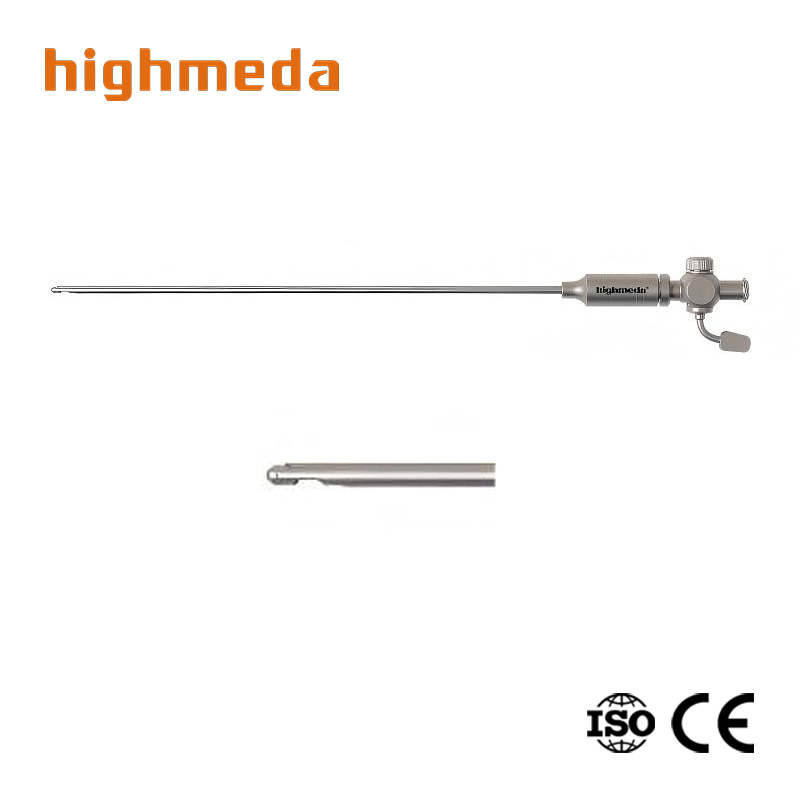
Selecting the right materials for surgical tools goes far beyond basic procurement preferences. The physical composition of these devices directly dictates surgical safety, sterilization compatibility, and daily operational flow. Substandard materials inevitably cause premature corrosion, insulation degradation, and complete instrument failure during critical procedures.
For procurement teams, surgical directors, and sterile processing departments (SPDs), managing poorly made tools constantly drains hospital budgets. Frequent replacements disrupt surgical schedules and frustrate clinical staff. You need reliable tools built from premium materials to maintain high standards of patient care.
This comprehensive guide breaks down the primary materials used in modern manufacturing. You will learn how material choices impact daily clinical operations. We also provide the exact criteria you need to rigorously evaluate supplier quality. By understanding these manufacturing standards, you can make smarter purchasing decisions and ensure long-term clinical reliability.
Key Takeaways
Surgical-grade stainless steel (specifically 300 and 400 series) remains the industry baseline, balancing durability with high corrosion resistance.
Tungsten carbide and titanium are utilized for high-wear components (like needle holder jaws) or specific use-cases requiring lightweight, non-magnetic properties.
Medical-grade polymers (like PEEK and PTFE) are critical for the safe insulation of electrosurgical tools and the structural integrity of single-use instruments.
Heat treatment and passivation processes are just as critical as the raw material itself; poor finishing leads to pitting and autoclave failure.
Evaluating laparoscopic instruments requires looking past the spec sheet to understand a manufacturer’s compliance (ISO 13485) and quality control tolerances.
Core Metals: The Role of Surgical-Grade Stainless Steel
Stainless steel forms the foundation of modern surgical equipment. Manufacturers use it for over 90% of reusable laparoscopic instruments. This metal offers an unmatched balance of structural workability, high durability, and strong rust resistance. It withstands harsh sterilization environments better than most standard metals.
However, not all stainless steel behaves the same way. The industry categorizes these metals into specific metallurgical families. We primarily rely on the 300 and 400 series for surgical applications.
Austenitic 300 Series (e.g., 304, 316L): These alloys contain higher nickel and lower carbon levels. They deliver exceptional corrosion resistance. Manufacturers use 300-series steel for non-cutting components. You will find it in outer shafts, trocars, and handles. In these parts, structural integrity and rust prevention remain paramount.
Martensitic 400 Series (e.g., 410, 420): These alloys feature a higher carbon content. This chemical makeup allows manufacturers to harden the metal extensively. We see 400-series steel utilized for cutting edges, scissors, and grasping jaws. These specific parts require sustained sharpness and extreme rigidity during tissue manipulation.
Despite its name, stainless steel is not invincible. Without proper cleaning protocols, even premium surgical-grade steel remains susceptible to damage. Prolonged exposure to saline solutions and blood residue often causes microscopic pitting. Sterile processing departments must strictly follow manufacturer guidelines to protect the metal's surface integrity over time.
High-Performance Alloys: Titanium and Tungsten Carbide
Sometimes standard stainless steel falls short of specific clinical demands. Upgrading to premium alloys requires a stronger initial investment. However, these advanced materials solve distinct surgical challenges and dramatically extend instrument lifespans.
Titanium (Ti6Al4V) offers an exceptional strength-to-weight ratio. Surgeons highly value titanium because it significantly reduces hand fatigue during lengthy laparoscopic procedures. It also provides near-perfect corrosion resistance. Furthermore, titanium is entirely non-magnetic. This makes it completely safe for MRI-guided interventions. The main trade-off involves higher manufacturing costs. Therefore, facilities typically reserve titanium for specialized graspers, delicate clips, or lightweight ergonomic handles.
Tungsten Carbide (WC) serves a completely different purpose. Manufacturers integrate this ultra-hard alloy as welded inserts. You will commonly find it in the jaws of needle holders, heavy-duty graspers, and premium scissors. Industry standards dictate identifying these tools via gold-plated handle rings. Investing in tungsten carbide inserts significantly extends the lifespan of cutting and gripping surfaces. It reduces the frequency of sharpening and repair, yielding excellent long-term financial returns.
Surgical Alloy Comparison Chart
Material
Primary Benefit
Common Applications
Relative Cost
300 Series Stainless
High corrosion resistance
Shafts, handles, trocars
Low
400 Series Stainless
Hardenability for sharpness
Scissors, jaws, cutting edges
Moderate
Titanium
Lightweight, MRI compatible
Specialty graspers, micro-tools
High
Tungsten Carbide
Extreme wear resistance
Needle holder jaws, inserts
High
Polymers and Ceramics: Insulation and Single-Use Applications
Non-metal materials play a crucial role in patient safety, especially during electrosurgery. Monopolar and bipolar energy devices require robust insulation. Without it, stray electrical currents can cause severe internal burns.
Medical-grade polymers handle this heavy burden. Materials like PEEK (Polyetheretherketone) and PTFE (Teflon) provide exceptional thermal stability. They can withstand hundreds of high-heat autoclave cycles without degrading. These polymers maintain their electrical insulation properties even under extreme surgical stress.
Plastics also dominate the disposable market. The structural integrity of single-use laparoscopic instruments relies heavily on advanced polycarbonates and ABS plastics. Manufacturers use these materials to mold the shafts and handles of disposable trocars and shears. When evaluating these items, you must test their structural rigidity under torque. Cheaper plastics easily flex or snap inside the body during aggressive tissue manipulation. Quality polycarbonates prevent these dangerous failures.
Ceramics offer another layer of specialized protection. Engineers value ceramics for their absolute non-conductivity. You will often see ceramic components used as ultra-high-temperature insulators in advanced ultrasonic energy devices or specialized cutting blades.
The Hidden Differentiator: Heat Treatment and Surface Finishing
Many buyers assume raw material specifications guarantee quality. They do not. Two identical tools made from the exact same 420 stainless steel can perform entirely differently. The final performance relies heavily on the manufacturer's internal processing protocols.
Heat treatment dictates the physical limits of the metal. Through precise tempering and hardening, engineers maximize tensile strength. Poor heat treatment yields disastrous results. If the metal becomes too brittle, delicate grasping jaws will snap under pressure. If the metal remains too soft, premium surgical scissors will dull after a single use.
Surface finishing holds equal importance. Passivation and electropolishing are vital chemical processes. They systematically remove free iron from the instrument's surface. This action promotes the growth of a microscopic chromium oxide layer. For sterile processing departments, this chemical shield serves as the primary defense against rust. It also prevents bio-burden adhesion, making daily cleaning protocols much safer and more efficient.
Procurement Framework: Evaluating Instrument Quality and ROI
Hospital buyers and distributors need a strict shortlisting logic when evaluating manufacturers. Relying on catalog pictures or basic spec sheets introduces unnecessary risks. You must implement a thorough vetting process.
First, always calculate long-term value against the initial unit price. Cheap tools often lead to frequent downtime, endless repair cycles, and premature replacements. Investing in premium materials mitigates these ongoing expenses. A highly durable tool ultimately protects your annual budget.
Use the following vendor verification checklist before signing any procurement contracts:
Regulatory Compliance: Verify active ISO 13485 certifications alongside valid FDA or CE clearances.
Material Transparency: Ask if the vendor can supply legitimate mill certificates for their raw steel.
Warranty Protection: Review their specific replacement policies regarding surface corrosion and jaw insert failures.
Manufacturing Audits: Determine if they manage heat treatment in-house or outsource it to unverified third parties.
Take immediate action before committing to bulk orders. Always request sample units. Give these samples to your sterile processing department for an extensive autoclave stress test. Next, ask your lead surgeons to evaluate the tactile feedback and ergonomic balance. Real-world testing remains your best defense against poor manufacturing.
Conclusion
The fundamental composition of your surgical tools directly impacts procedural outcomes and operational budgets. Choosing between 400-series steel, lightweight titanium, or heat-resistant PEEK dictates how long your equipment survives daily hospital rigors. Material science sits at the heart of surgical reliability.
Remember, the best raw material is only as good as the engineering processes behind it. Precise heat treatment and thorough passivation elevate standard metals into clinical-grade assets. Procurement teams must scrutinize these invisible manufacturing steps just as closely as the physical product.
We encourage you to contact leading sales and engineering teams today. Request detailed material specification sheets for your most frequently used tools. Compare different product lines side-by-side, and secure physical samples for your surgical staff to evaluate.
FAQ
Q: Are all laparoscopic instruments autoclavable?
A: Most reusable instruments are designed for steam sterilization. However, their longevity heavily depends on the quality of the passivation layer and the thermal stability of polymer insulations. Always check the manufacturer's specific Instructions for Use (IFUs) to ensure safe autoclave compatibility.
Q: How can you tell if an instrument has Tungsten Carbide inserts?
A: Industry standards dictate clear visual markers for these premium materials. Instruments featuring Tungsten Carbide inserts, such as heavy-duty needle holders, generally feature gold-plated rings or handles. This allows surgical staff to identify them instantly within a sterile field.
Q: Why do stainless steel surgical instruments still rust?
A: What appears as "rust" is often just surface staining from mineral deposits in autoclave steam. It can also be pitting caused by prolonged exposure to saline and blood prior to cleaning. True internal corrosion usually indicates a failure in the manufacturer's passivation process or improper chemical exposure.
Q: What is the difference between reusable and disposable laparoscopic instrument materials?
A: Reusable tools utilize highly durable metals and heat-resistant polymers like PEEK, designed to survive thousands of sterilization cycles. Disposables rely on medical-grade plastics like polycarbonate and lower-grade metals. These are engineered for a single clinical use to entirely eliminate cross-contamination risks.