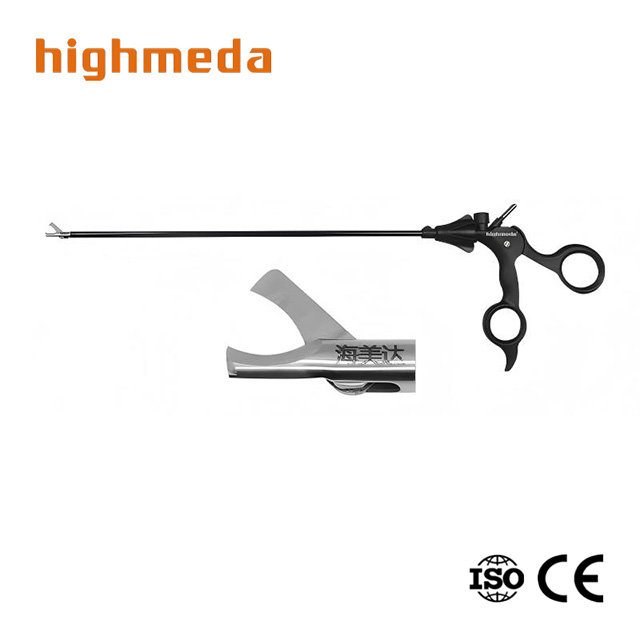
Selecting the right diameter for laparoscopic scissors requires a delicate balancing act. You must minimize patient trauma while maintaining enough mechanical leverage for safe tissue dissection. This operational challenge directly impacts both surgical outcomes and hospital logistics. Standardizing instrument sizing across your surgical department is essential. It reduces inventory bloat, simplifies tray processing, and minimizes the risk of intraoperative equipment mismatches. Every mismatch can delay a procedure. Every extra tray adds processing time. This article provides an evidence-based evaluation of 3.5 mm, 5 mm, and 10 mm instruments. We aim to guide procurement teams and surgical directors in optimizing their portfolios. You will learn how to match shaft diameters to clinical needs, navigate trocar mechanics, and implement a streamlined evaluation framework. By the end, you can make informed decisions to elevate surgical precision and streamline operational efficiency.
Key Takeaways
5mm is the universal standard: Serving as the baseline for general surgery, balancing adequate jaw strength with minimal incision size.
3.5mm requires specific handling: Ideal for pediatric and mini-laparoscopy, but carries a higher risk of jaw deflection and shaft bending if used on dense tissue.
10mm provides maximum leverage: Reserved for heavy tissue transection (e.g., bariatrics), though increasingly replaced by advanced 5mm energy devices.
System compatibility is critical: Shaft diameter must align with trocar seal specifications to prevent loss of pneumoperitoneum, and laparoscopic scissors working length must match the patient's anatomical depth.
The Clinical and Operational Impact of Instrument Sizing
Smaller instrument diameters generally reduce port-site hernias. They also minimize cosmetic scarring for the patient. However, this trade-off inherently sacrifices blade rigidity. Narrower shafts offer smaller opening angles. This limitation restricts how much tissue you can grasp and cut at once. Surgeons must constantly weigh these clinical benefits against the potential loss of tactile feedback.
Maintaining multiple sizes increases processing complexity. Sterilization departments face heavier burdens when sorting varied reusable sets. Supply chain managers deal with overlapping inventory for disposable items. Standardization solves these issues. It streamlines daily operations and reduces sorting errors. When your facility limits the variety of shaft diameters, you simplify the entire logistical chain.
You face specific risks when forcing a transition to smaller instruments. Without adequate training, surgeons often complain of "flimsy" feedback from 3.5mm tools. These frustrations can lead to increased procedure times. You should phase in new sizes gradually. Ensure surgical teams practice handling these lighter tools in simulated environments. This preparation helps them adjust their grip pressure before integrating new tools into high-volume procedures.
5mm Laparoscopic Scissors: The Standard Surgical Workhorse
This size dominates modern operating rooms. Surgeons rely on it daily. We consider it the absolute gold standard for most general and minimally invasive procedures.
Clinical Applications
It is the default choice for routine abdominal interventions. You will see it used extensively for cholecystectomies and appendectomies. Routine gynecological surgeries also rely heavily on this diameter. These procedures demand sharp precision. However, they rarely require massive mechanical leverage. A 5mm laparoscopic scissors fits this exact clinical profile perfectly.
Mechanical Advantages
The shaft provides excellent rigidity. You can manipulate and retract tissue safely without bending the instrument. The blades handle mild adhesions easily. Whether you use Metzenbaum, curved, or straight tips, the robust design delivers clean cuts consistently.
Furthermore, these tools accommodate standard monopolar electrosurgery connections seamlessly. This integration allows quick coagulation during active dissection. The 5mm profile holds enough insulation to protect the patient while remaining slim enough for versatile movement.
Procurement Considerations
Hospitals order this size in massive volumes. Because it represents your highest-volume inventory, procurement teams hold strong negotiating power. You can secure favorable pricing models on bulk single-use contracts. We recommend focusing your budget discussions heavily on this category.
Evaluate your current usage volume for standard general surgery trays.
Identify whether single-use or reusable options best fit your sterilization capacity.
Prioritize high-durability tungsten carbide inserts if you manage a reusable fleet.
Negotiate bulk contracts focusing strictly on high-turnover 5mm items to maximize value.
Tungsten carbide inserts maintain sharp edges much longer than standard stainless steel. They resist rapid wear. This durability keeps your surgical teams happy and reduces the frequency of mid-surgery instrument swaps.
3.5mm and 10mm: Evaluating Specialty Sizing
Specialty sizes serve vital, distinct purposes. While 5mm covers general needs, outliers demand tailored approaches. Let's examine when you should deploy these specific diameters.
Surgeons rely on 3.5mm laparoscopic scissors for specialized, delicate procedures. This tiny diameter excels in pediatric surgery. Small abdominal cavities require exceptionally narrow shafts to provide adequate maneuverability. It is also highly ideal for cosmetic-focused mini-laparoscopy. Certain delicate gynecological interventions benefit greatly from this reduced footprint, as it leaves nearly invisible scars.
However, you must handle these tools carefully. They possess high fragility. Inappropriate use on calcified tissue causes immediate instrument failure. Jaw deflection and shaft bending occur easily under heavy stress. You cannot treat them like standard 5mm tools.
Using them requires dedicated 3.5mm trocars. Alternatively, you need high-quality universal seal trocars to prevent CO2 leakage. Surgeons face an ergonomic learning curve. The reduced tactile feedback forces them to adjust their grip and modify their cutting force. We strongly recommend running simulation sessions before live deployment.
Heavy tissue transection demands intense mechanical leverage. You use 10mm laparoscopic scissors for thick scar tissue. Bariatric procedures historically relied on these robust instruments for heavy lifting. Their massive jaws can bite through dense abdominal structures smoothly.
Despite this power, these massive scissors are seeing rapidly declining utilization. Modern 5mm ultrasonic devices handle heavy vessel sealing effectively. Advanced bipolar devices perform cutting tasks previously reserved for 10mm tools. As a result, the 10mm mechanical scissor is nearly obsolete in modern ORs. Surgeons prefer smaller ports to minimize patient trauma and accelerate recovery.
You should only recommend these for niche surgical trays. Avoid overstocking them at all costs. Keep a minimal count strictly for specific, legacy surgeon requests. Tying up funds in rarely used 10mm inventory drains resources unnecessarily.
Trocar Compatibility and Shaft Mechanics
To maintain a safe surgical environment, the instrument and the port must work together seamlessly. Understanding this relationship prevents intraoperative complications and delays.
Trocar Compatibility
A mismatch between the scissor shaft and the trocar cannula creates immediate problems. It leads to rapid gas leakage. This loss of pneumoperitoneum collapses the surgical domain. Poor trocar compatibility disrupts visibility and forces the surgical team to halt the procedure.
Using a 5mm instrument in a 10mm or 12mm port requires immediate adjustments. You must attach a manual reducer cap. Alternatively, the port must feature a built-in accommodating universal seal. However, you should exercise extreme caution here. Frequent insertion and removal of sharp scissors through universal seals can rapidly degrade the valve. This degradation causes hidden CO2 leaks mid-surgery. Always inspect universal seals if a procedure involves heavy instrument exchange.
Laparoscopic Scissors Working Length
Choosing the correct laparoscopic scissors working length is equally crucial. It must match the patient's anatomical depth accurately. A shaft too short fails to reach the target tissue. A shaft too long creates awkward ergonomics.
Instrument Working Length Specifications
Category
Standard Length
Primary Use Cases
Key Ergonomic Considerations
Standard Length
33 cm
Fits 90% of general adult laparoscopic procedures.
Provides balanced ergonomics and precise tip control for most body types.
Bariatric / Extended
43 cm - 45 cm
Mandatory for high-BMI patients.
Ensures the surgeon's hands remain completely clear of the patient's abdomen.
Pediatric Length
20 cm
Used in infants and small children.
Prevents the fulcrum effect from making the instrument unwieldy in small spaces.
Understanding these lengths helps you build specialized trays correctly. You prevent the dangerous fulcrum effect by matching the tool strictly to the cavity size.
Evaluation Framework: Shortlisting Your Instrument Portfolio
Creating a cohesive surgical portfolio demands rigorous analysis. You cannot rely on guesswork or outdated preferences. Implementing a structured evaluation framework helps you eliminate waste and improve clinical consistency.
Assess Case Mix
Start by auditing 12 months of surgical logs. Analyze exactly what procedures your teams perform daily. Look at the data objectively. If pediatric or mini-laparoscopy cases make up less than 5% of your total volume, adjust your strategy. You should consider limiting 3.5mm stock strictly to specific surgeon-requested trays. This protocol prevents niche items from cluttering daily general setups.
Disposable vs. Reusable Cost Analysis
Scissors are notoriously difficult to keep sharp. Dull blades tear tissue instead of cutting it cleanly. You must carefully analyze the hidden costs of constantly sharpening and repairing reusable 5mm scissors. Compare this ongoing maintenance burden directly against the predictable per-case cost of disposable options. Many modern facilities find disposables offer superior, consistent performance. They eliminate the intense frustration of opening a sterile tray only to discover a dull, unusable instrument.
Monopolar Integration
Patient safety remains the highest priority during any evaluation. You must ensure the insulation on the instrument shaft is absolutely defect-free. This safety rule applies whether you evaluate 3.5mm, 5mm, or 10mm tools. The insulation must be compatible with your hospital’s existing electrosurgical generators.
Flawless insulation prevents stray capacitance burns inside the patient's body. These internal burns often go unnoticed during surgery but cause severe postoperative complications. Central sterile processing departments must inspect reusable shafts meticulously before every single sterilization cycle. Discard any item showing micro-cracks immediately.
Avoid these common mistakes when evaluating your portfolio:
Ignoring surgeon tactile feedback during the initial trial phase of new instruments.
Stocking specialty sizes in universal trauma trays instead of isolating them in custom sets.
Failing to test monopolar cables for a precise generator fit before purchasing.
Overlooking the rapid degradation of trocar seals during compatibility checks.
Conclusion
You must balance clinical performance against operational simplicity. The 5mm instrument serves as the core fleet for your surgical department. It effortlessly handles the vast majority of daily caseloads. You should reserve 3.5mm designs strictly for specialized pediatric or cosmetic use. Deploy 10mm tools only if explicitly required by specific bariatric or legacy protocols. Understanding these distinct roles keeps your inventory lean and highly effective.
Take actionable steps today. Audit your current trocar inventory. Ensure complete system compatibility before committing to any new contract for surgical scissors. Request evaluation samples from vendors. Let your surgeons conduct tactile testing in a simulated environment first. Getting this alignment right ensures safer surgeries, happier staff, and a streamlined supply chain.
FAQ
Q: Can I use 5mm laparoscopic scissors in a 10mm trocar?
A: Yes, but it requires specific equipment to maintain pneumoperitoneum. You must use either a trocar designed with a universal seal or attach a manual 10mm-to-5mm reducer cap. Without these adaptations, you will experience rapid gas leakage and lose your surgical domain immediately.
Q: What is the standard laparoscopic scissors working length?
A: The industry standard working length is 33 cm, which accommodates most adult general surgeries. Bariatric instruments are typically 43 to 45 cm to handle increased abdominal depth safely. Pediatric variants run around 20 cm to prevent awkward ergonomics in tiny patients.
Q: Why are 10mm laparoscopic scissors rarely used today?
A: Advancements in 5mm vessel sealers, including ultrasonic and advanced bipolar technology, have changed modern surgical practices. These 5mm devices provide the intense cutting and coagulating power previously reserved for larger mechanical scissors. This innovation allows surgeons to use smaller, significantly less traumatic ports.